Compare watches by fit, movement and everyday use. Each guide identifies its sources and explains its research method.
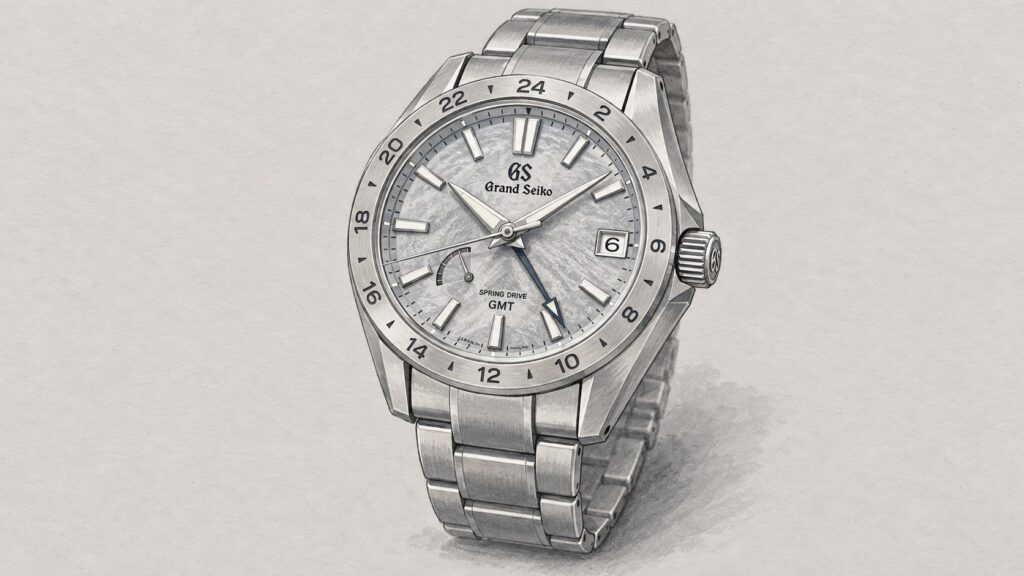
Spring Drive History: The Long Road from Seiko to Grand Seiko
From a 1977 idea to the 1999 Seiko debut and Grand Seiko’s 9R movements, Spring Drive developed around one difficult problem: efficient regulation.
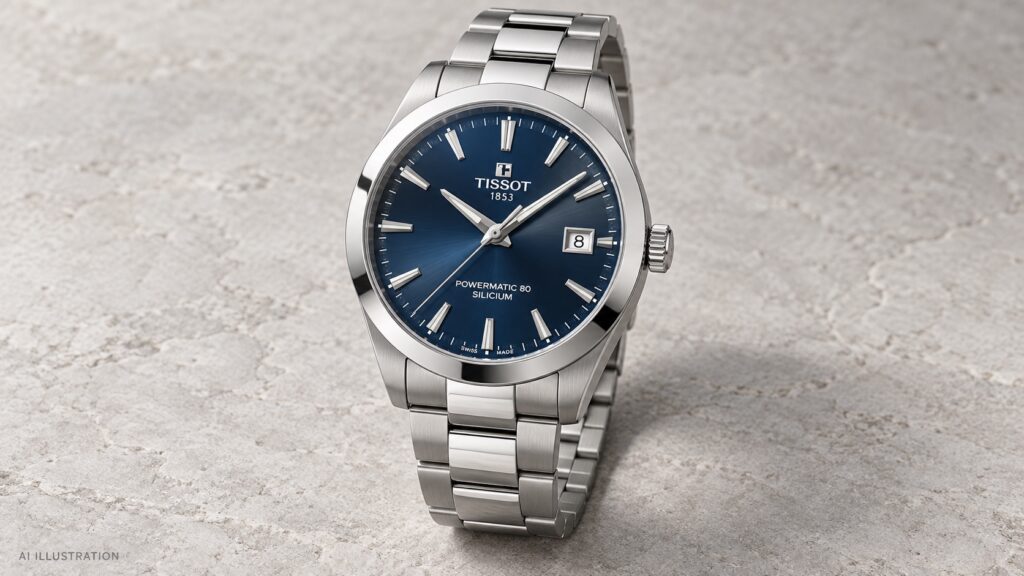
Watch Power Reserve Explained: Does 80 Hours Matter?
What watch power reserve means, how 72 and 80 hours fit a weekend rotation, and why reserve and accuracy should be compared separately.
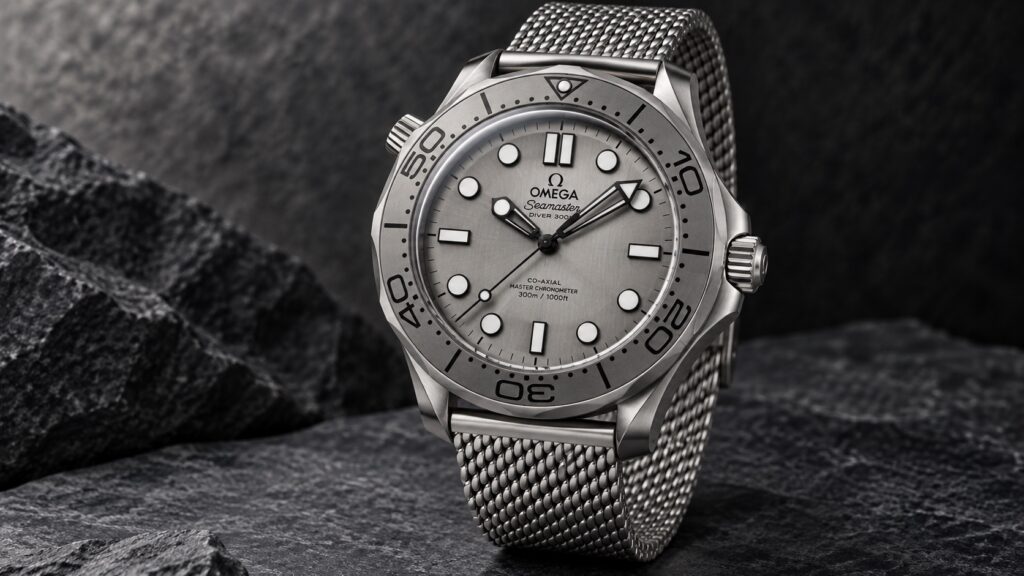
Rolex Submariner Date vs Omega Diver 300M: Calendar or Mesh?
A black Submariner Date and grey no-date Diver 300M offer different calendars, bezels and bracelets. Comparing these exact references is more useful than brand rivalry.
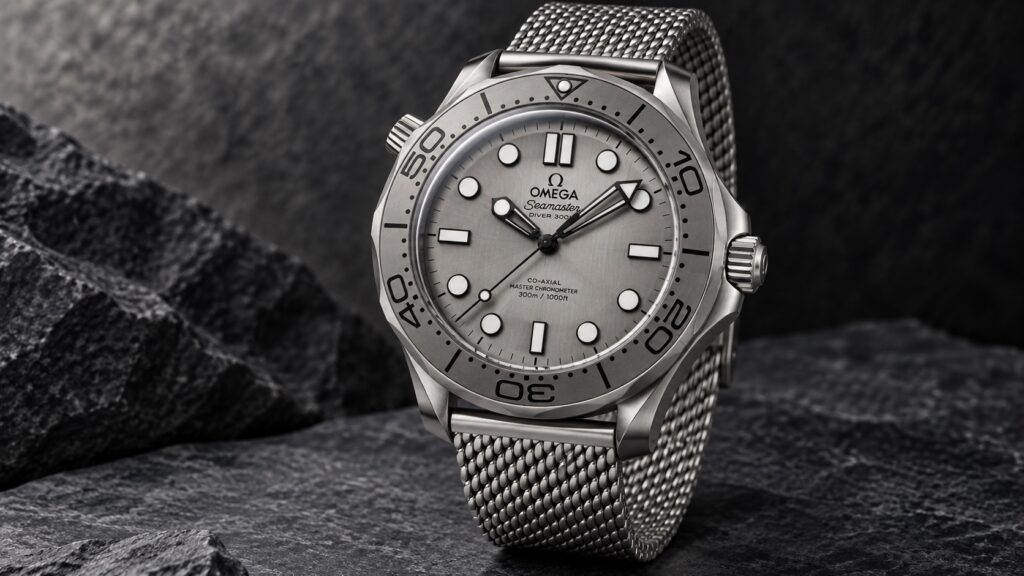
Omega Seamaster Diver 300M: Steel Dial or Ceramic Waves?
The grey steel-dial Diver 300M and blue ceramic-wave model share a name, but their calendars, bracelets and visual texture produce different choices.
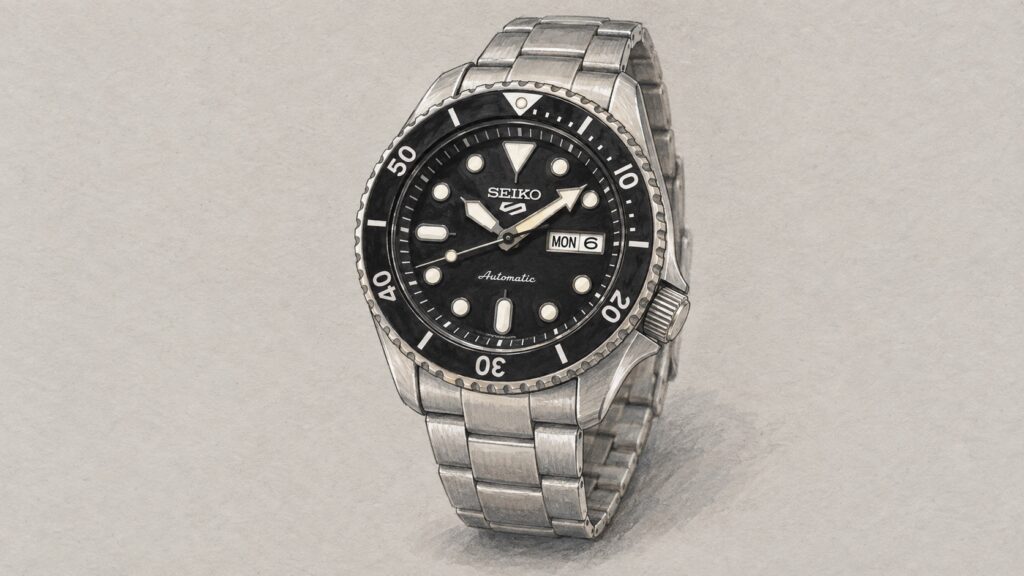
Seiko 5 Sports SRPD55: A First Automatic Worth Living With?
The Seiko SRPD55 explained: everyday size, mechanical ownership, day-date setting and what its diver styling does and does not buy.
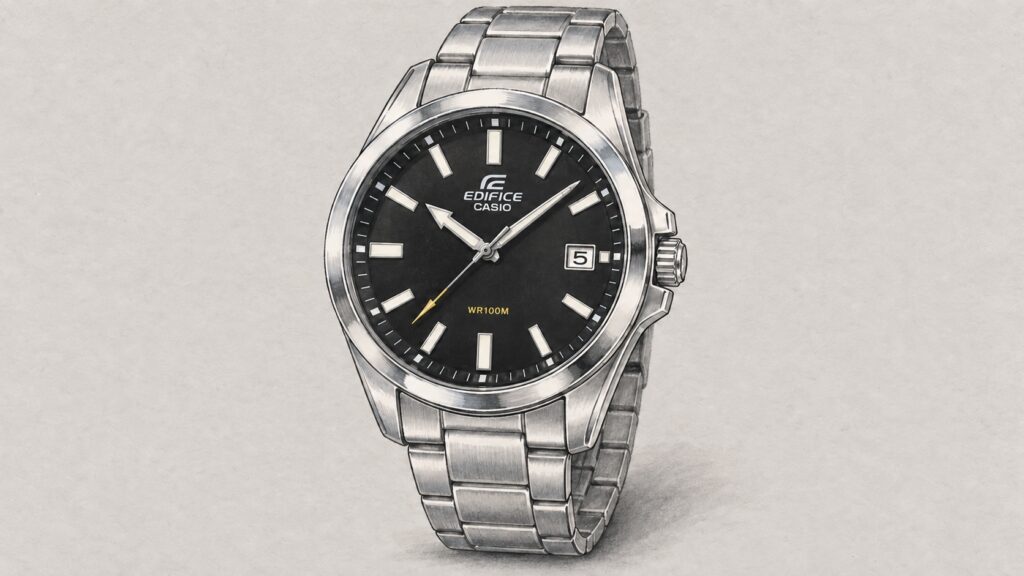
Casio Edifice EFV-100 vs Seiko Speedtimer: Do You Need a Stopwatch?
The EFV-100D is a simple battery watch; the SSC813 adds a solar chronograph. Compare size, weight and the functions you will actually use.
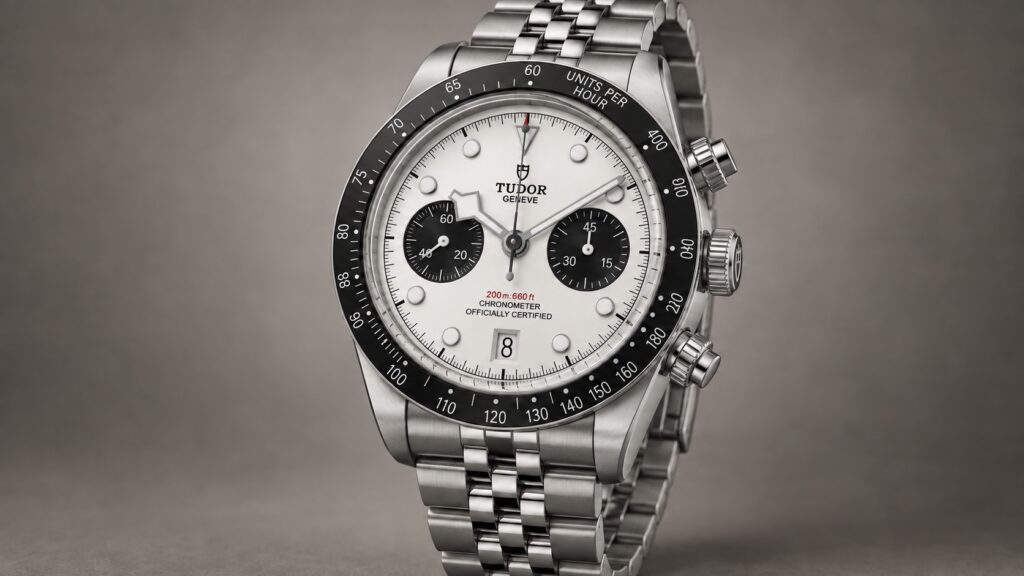
Tudor Black Bay Chrono vs Zenith: Choose How You Want to Time
The Black Bay Chrono and Chronomaster Sport both measure 41 mm, but their timing displays work differently. Compare function, design and bracelets.
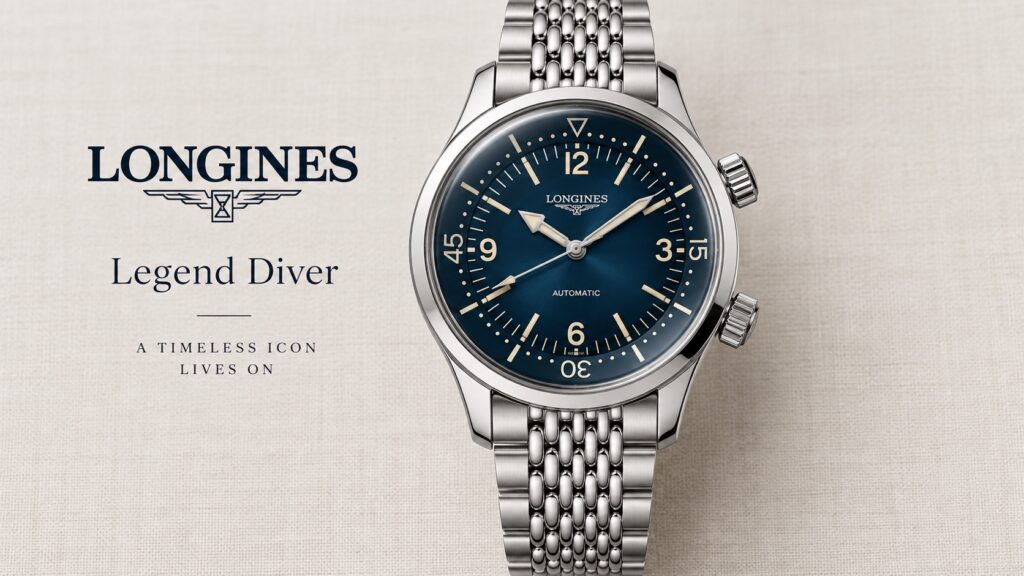
Longines Legend Diver vs Oris Sixty-Five: Steel or Bronze?
Compare the 39 mm steel Legend Diver with the 38 mm bronze Oris Sepia. Different bezels, materials and reserves create distinct ownership choices.
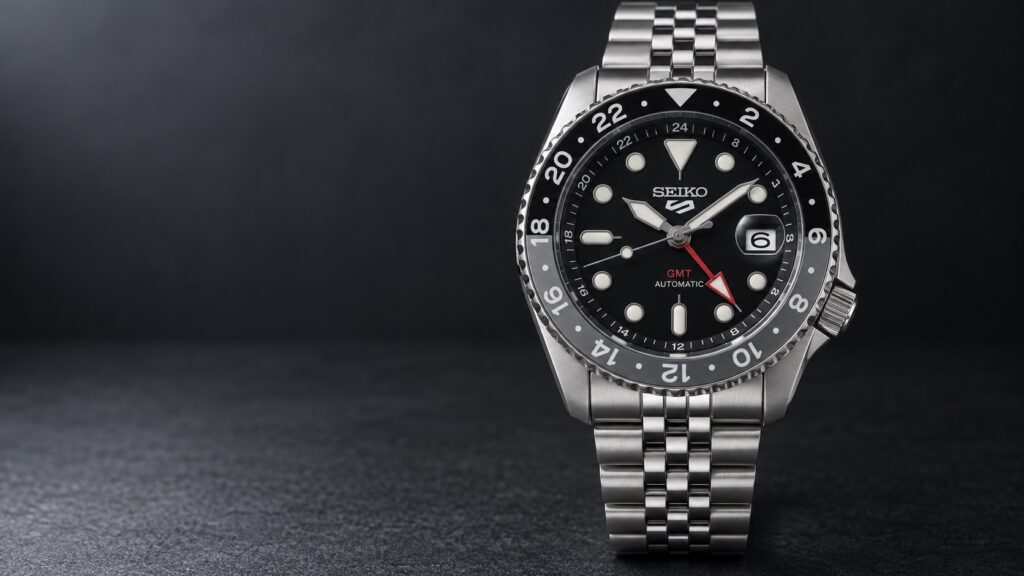
Choosing a GMT Watch: Travel Adjustments or a Second Time Zone at Home?
Rolex, Longines and Seiko make the extra hand useful in different ways. Start with the setting system before choosing the bezel.
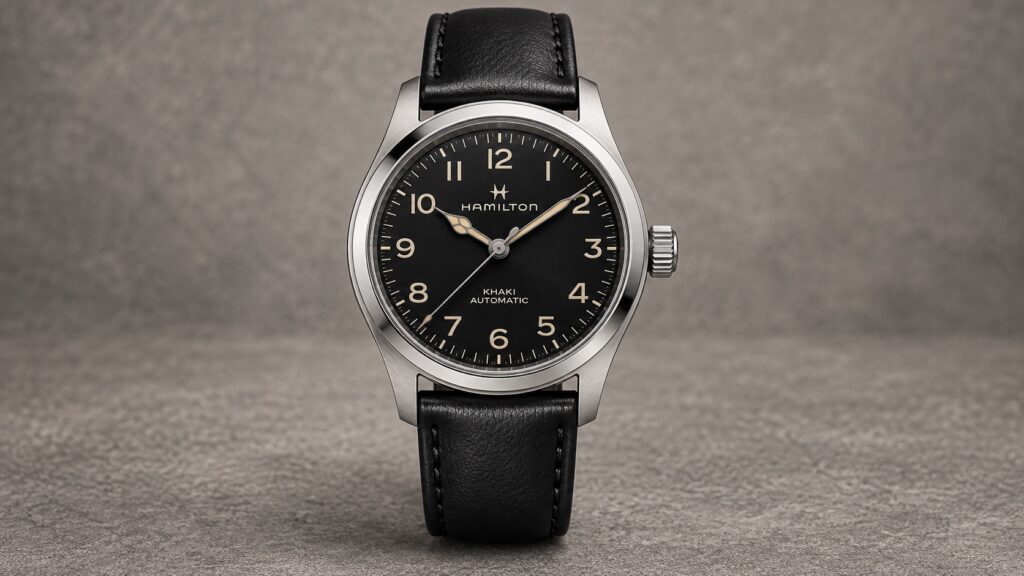
Hamilton Murph 38 vs Khaki Field Mechanical: Same Size, Different Character
The Murph and Khaki Field Mechanical both use a restrained 38mm case and an eighty-hour reserve. Their winding methods, dial details and history separate them.
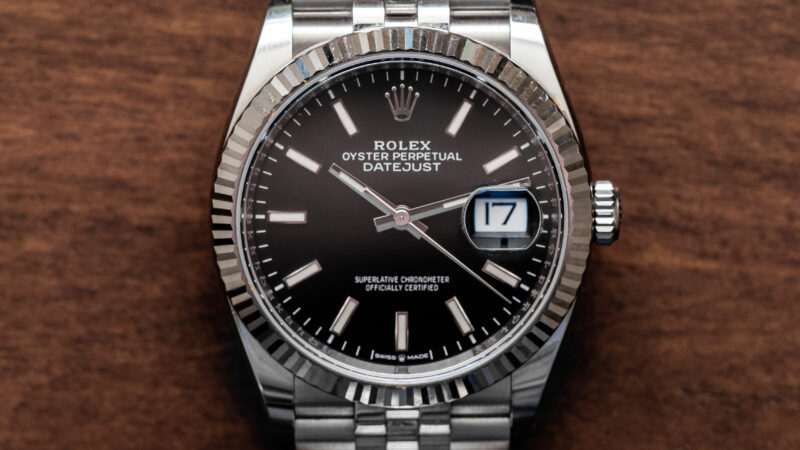
Rolex Datejust 36 reference 126234 on Jubilee, shown with a black dial to illustrate bracelet and bezel design; the main article compares mint-green configurations. Photograph by Ajay Suresh (ajay_suresh), CC BY 2.0.
Rolex Datejust 36: Jubilee or Oyster for Everyday Wear?
Two mint-green Datejust 36 configurations isolate the bracelet choice, making it easier to decide how much shine and visual structure you want.
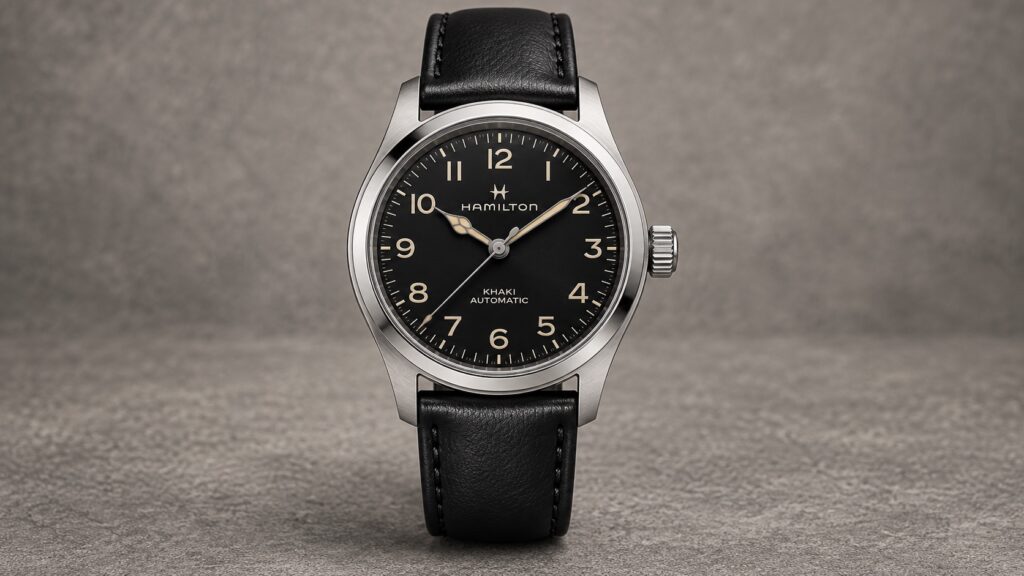
Hamilton Murph 38mm: Film Watch or Practical Daily Choice?
The Murph has a story few field watches can match. Its 38mm size and leather strap still need to work when the cinema connection fades.