The extra hand on a GMT watch earns its place when another part of the world matters to your day. It can show home time while you travel, or the time where a colleague or family member lives while you stay put. A flight is optional; a second time you want to follow is the useful starting point.
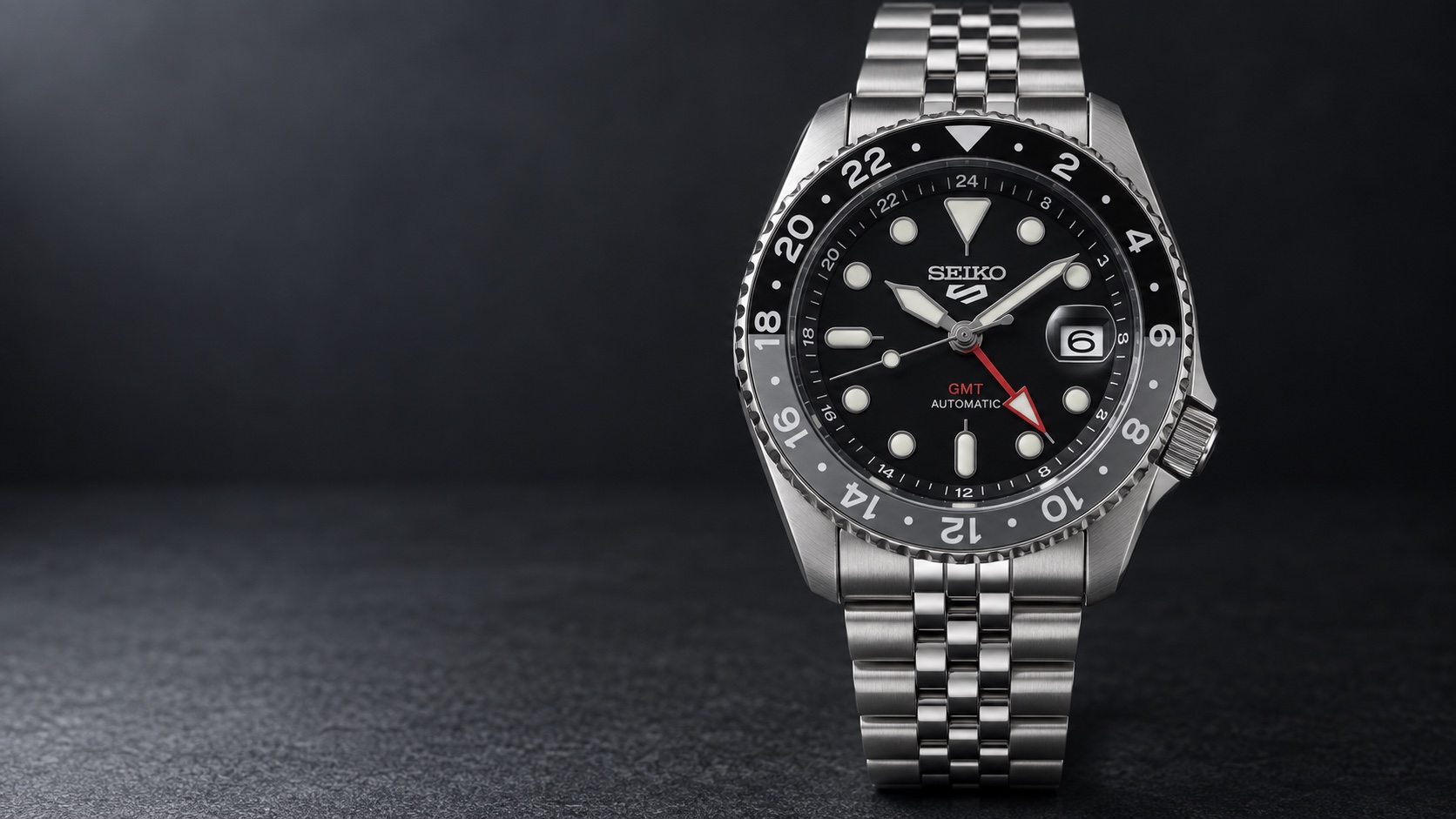
The Seiko SSK001 and Rolex GMT-Master II both offer a 24-hour hand and rotating 24-hour bezel. Their most important operational difference is which hour hand can be adjusted independently. That affects the setting task you repeat, so it deserves attention before the bezel colour or nickname.
Read the extra hand against the right scale
The ordinary hour hand completes two circuits of a 12-hour dial each day. A 24-hour hand completes one. Read that extra hand against a 24-hour scale: 16 means 4 pm, 18 means 6 pm, and 24 or 0 marks midnight. This makes morning and evening distinguishable at a glance.
For example, the main hands could show 10 am where you are while the extra hand points to 16 on the 24-hour scale for a place six hours ahead. The minute hand supplies the minutes for that example. Begin with the bezel’s 24 marker at the top and a simple pair of zones before changing the rotating scale.
The extra hand does not have to display Greenwich Mean Time itself. It can be set to the reference time you choose. GMT is the familiar name for the function, while the useful question is which second location you want represented on your watch.
Why travel shaped the GMT display
Rolex launched the GMT-Master in 1955, when increasing long-distance travel made relationships between time zones more relevant to travellers. The combination of an extra hand and a 24-hour bezel made a second time readable within a conventional watch display.
The GMT-Master II followed in 1982 with a movement that allowed the main hour hand to be adjusted independently of the minute and 24-hour hands. That change addressed a particular task: changing local time as the watch’s owner moved between zones. Seiko’s 2022 GMT launch brought a different adjustment arrangement to its familiar 5 Sports case shape. The historical connection is a shared display idea, while the current watches differ in how that idea is operated.
Independent GMT hand or independent local hour?
The Seiko 4R34 allows separate adjustment of the 24-hour hand. That is useful when your main local time stays the same and the other location is what you want to change. Seiko’s instructions place the date and 24-hour adjustment at the crown’s first click, with ordinary time adjustment at the second.
The Rolex 3285 allows the conventional local hour hand to be adjusted independently. When travelling, the main display can move to destination time without rebuilding the reference-time indication. If crossing time zones is the task you expect to repeat most, that arrangement is particularly convenient.
Neither system prevents you from travelling or following an overseas contact. They place the convenience in different adjustments. Choose according to the operation you will use often, rather than treating the presence of four hands as a complete description of a GMT movement.
The watches around the function are different too
| Feature | Seiko SSK001K1 | Rolex 126710BLNR-0002 |
|---|---|---|
| Independent adjustment | 24-hour hand | Local hour hand |
| Movement | 4R34 automatic | 3285 automatic |
| Reserve | Approximately 41 hours | Approximately 70 hours |
| Case diameter | 42.5 mm | 40 mm |
| Crystal | Hardlex with date magnifier | Sapphire with Cyclops |
| Water resistance | 10 bar | 100 m |
The reserve difference affects a watch rotation. A fully wound 41-hour Seiko will not cover a typical Friday-evening-to-Monday-morning gap, while a fully wound 70-hour Rolex can cover many such intervals in principle. Restarting a GMT watch may include the date and reference time as well as the main hands. That makes reserve a relevant supporting consideration, although it should not replace the choice of display and adjustment system.
What the rotating bezel adds
Moving the 24-hour bezel changes the scale against which you read the extra hand. It can therefore display another offset without moving the hand itself. The bezel is an adjustable reference scale; it is not calculating your destination or receiving local time from a network.
This also explains why a GMT bezel and a diver’s bezel have different markings. A 24-hour ring helps relate the extra hand to a time of day. A 60-minute elapsed-time ring answers a different question. A sports-watch silhouette does not make those two bezel functions interchangeable.
Keep the calendar and seasonal changes in mind
Use the instructions for the exact movement when setting time and date. On the 4R34, Seiko specifies a period during which the date should not be adjusted. Do not apply a setting sequence remembered from another GMT, especially when the independently adjustable hand is different.
These mechanical examples also need you to account for seasonal changes in the zones you follow. The watch preserves the relationship you have set; it does not automatically know when either location changes its clocks. A second hand is helpful information only when the setting behind it remains correct.
Choose a GMT because you have a useful second time to display. Then choose the adjustment system, reserve and watch design that fit that job. Once those decisions are clear, the bezel colour becomes an enjoyable preference within a watch that already makes sense.
Based on manufacturer information. Specifications and sources checked on 8 September 2026.
Sources: Rolex BLNR specifications; Rolex GMT-Master origins; Rolex historical GMT references; Seiko UK SSK001 specifications; Seiko 2022 GMT launch; Seiko 4R34 instruction manual; Seiko 4R34 setting instructions; Rolex GMT-Master development and independent hour adjustment.
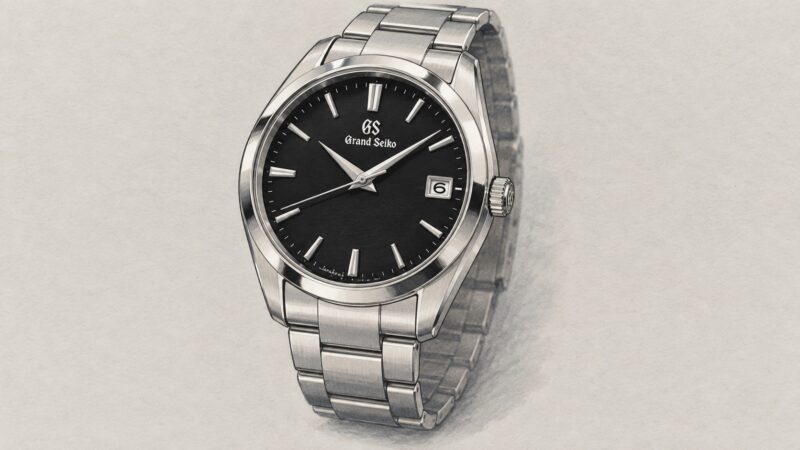
Image: AI-generated illustration. Fine details may differ from the watch.