A mechanical watch can continue ticking while its owner has little idea when it was last serviced. That is why a service history is useful both after purchase and when buying second-hand. It records work on the mechanism and case, rather than relying on the reassuring sight of a moving seconds hand.
Servicing is also part of the ownership cost to consider before choosing a watch. The sensible question is what the exact reference needs, who can carry out the work and what the proposed service includes. A single interval or price applied to every mechanical watch will miss important differences.
What a complete service involves
Rolex’s published procedure begins with an examination and estimate. The movement is dismantled, its components cleaned and assessed, and the necessary replacements made before reassembly and lubrication. The process then includes regulation and checks on the finished watch.
The case and bracelet receive their own attention. This matters because a watch is more than its movement: the crown, crystal, seals and attachment all contribute to the object you wear. Ask the service provider to explain both the mechanical work and the work proposed for the exterior.
A battery change, a water-resistance test and a complete movement overhaul are different services. A receipt saying one of those things should not be taken as evidence that all three were performed. Precise wording is valuable when comparing service histories.
Intervals depend on the maker and the watch
| Example | Movement and reserve | Maker guidance |
|---|---|---|
| Rolex Submariner Date 126610LN-0001 | 3235 automatic; approximately 70 hours | Rolex recommends approximately 10 years, depending on model and use |
| Omega Diver 300M 210.30.42.20.06.002 | 8806 automatic; 55 hours | Omega general guidance gives 5 to 8 years, depending on conditions |
These are planning references, not instructions to ignore a problem until a calendar date arrives. An unusual change in running, moisture beneath the crystal or a control that no longer behaves normally deserves assessment on its own merits.
Water-resistance checks can have a different timetable from a full overhaul. Omega’s care guidance recommends an annual water-resistance test. This is particularly relevant when a watch regularly goes into water, because the condition of seals and closures matters independently of whether the hands are keeping good time.
Long-lived designs still contain working machinery
The Submariner began in 1953, while Omega introduced the Diver 300M in 1993. Both names have survived through changes in movements, cases and materials. Their long histories can make the watches feel permanent as designs, but the individual object still contains components that need care.
The selected Rolex uses calibre 3235, and the no-date Omega uses calibre 8806. Those modern movement identities are more useful to a service enquiry than a broad family name. An earlier watch with a similar dial may require a different assessment, different parts and a different timetable.
Separate maintenance from cosmetic preferences
Before approving work, discuss the case finish, bracelet refinishing and any proposed replacement of visible components. An owner seeking a fresh appearance may have different priorities from someone who wants to preserve the signs of age on an older watch.
Put those preferences in writing and ask which requests the provider can accommodate. A service estimate is the moment to understand the scope. Waiting until the watch returns makes a conversation about polishing or component replacement much less useful.
For a collectible or sentimental piece, photograph its current condition and retain the documentation. Those records help explain what changed and when. They also make future ownership decisions less dependent on memory.
Budget from an estimate, not a generic online figure
The condition of the watch and the required work affect cost. A simple published starting price, where available, may not cover every replacement component or additional operation. Ask for a written estimate that separates the standard service from extra work.
Ask about the expected turnaround and the guarantee on completed work at the same time. For someone who owns one everyday watch, time away from the wrist is a practical consideration. For a larger collection, keeping the service documents organised by reference prevents the histories becoming confused.
What to ask when buying second-hand
Request the actual service invoice or documentation, including the date, provider and work described. A seller saying a watch was checked is not the same as evidence of a complete overhaul. Clarify whether water resistance was tested and whether visible parts were replaced.
If the history is incomplete, allow for an assessment and possible service in the purchase decision. That does not automatically make the watch a poor choice. It gives the uncertainty a practical place in the budget instead of assuming a moving hand has answered every question.
Good servicing records make long-term ownership easier. They let you enjoy the watch while knowing what has been done, what has been preserved and when the next conversation with a watchmaker is likely to be useful.
Based on manufacturer information. Specifications and sources checked on 8 September 2026.
Sources: Rolex 126610LN specifications; Rolex Submariner timeline; Rolex Submariner collection; Omega steel-dial Diver specifications; Omega detailed measurements; Omega 2024 Diver launch; Rolex service intervals and estimates; Rolex complete servicing procedure; Omega general care and service guidance.
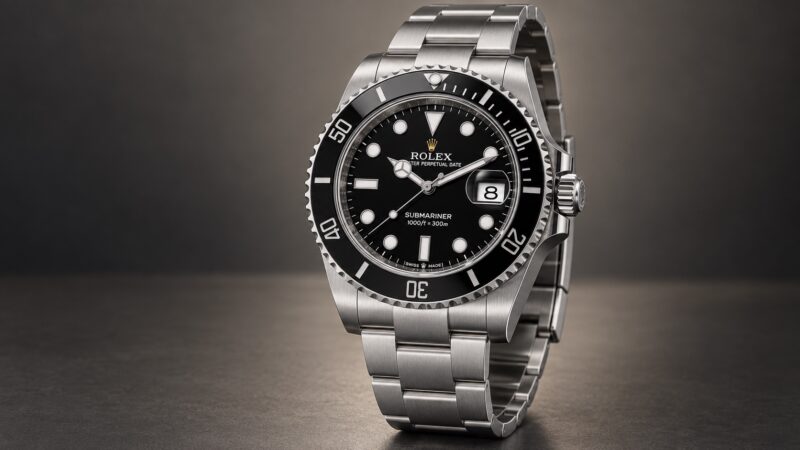
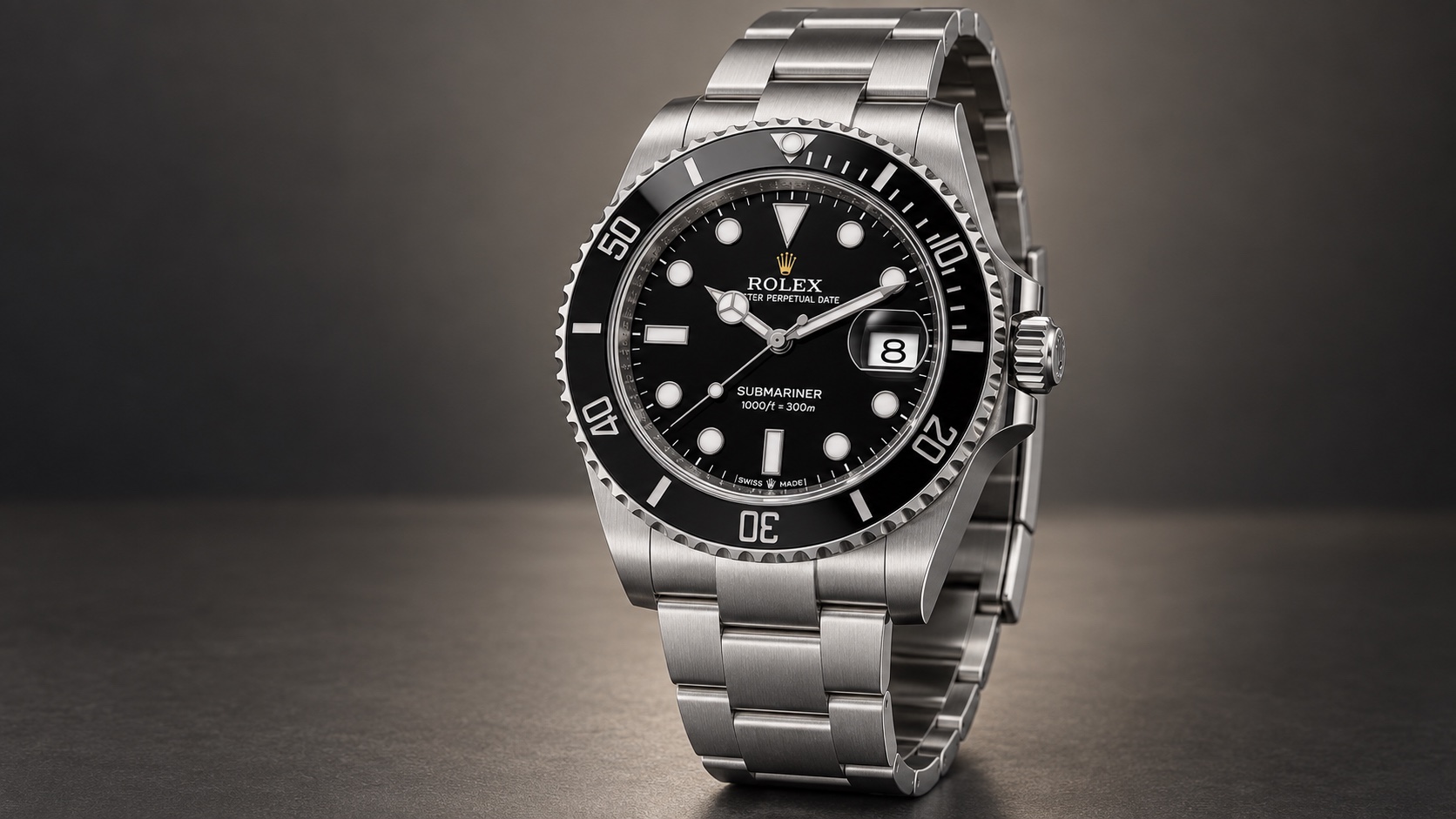
Image: AI-generated editorial illustration of the Rolex Submariner Date 126610LN-0001. Fine dial details and finishing may differ from the production watch.