A watch marked 200 m sounds as though it answers every question about water. In practice, the useful answer includes the exact model, the maker’s activity guidance and the condition of the watch. The number matters, but it is not the entire instruction manual compressed into three characters.
For swimming, many watches with a 100 m or 10 bar rating are designed to be suitable. Check the manufacturer’s guidance for your reference. Scuba diving is a separate question, and a general water-resistance number should not be treated as proof that a watch is intended for it.
A rating and an activity are different descriptions
Water resistance expresses a pressure capability. Makers then give instructions about permitted use, controls, straps and maintenance. Reading those together is more useful than interpreting the metre number as a destination to which any watch can simply be taken.
Casio’s guidance distinguishes its ordinary water-resistant models from watches specifically marked as diver’s watches. Its table permits swimming for suitable 5 bar, 10 bar and 20 bar models, while its separate diver guidance addresses scuba use. The distinction is visible within one manufacturer’s own instructions.
This is why two watches showing a similar number can deserve different answers to a diving question. Read the complete marking and the manual. A rotating bezel, luminous hands and a sporty case do not independently establish the manufacturer’s intended diving use.
Three familiar watches, precisely described
| Reference | Published rating | Useful context |
|---|---|---|
| Casio MDV-106-1AV | 200 m water resistance | Quartz; mineral glass; screw-lock crown |
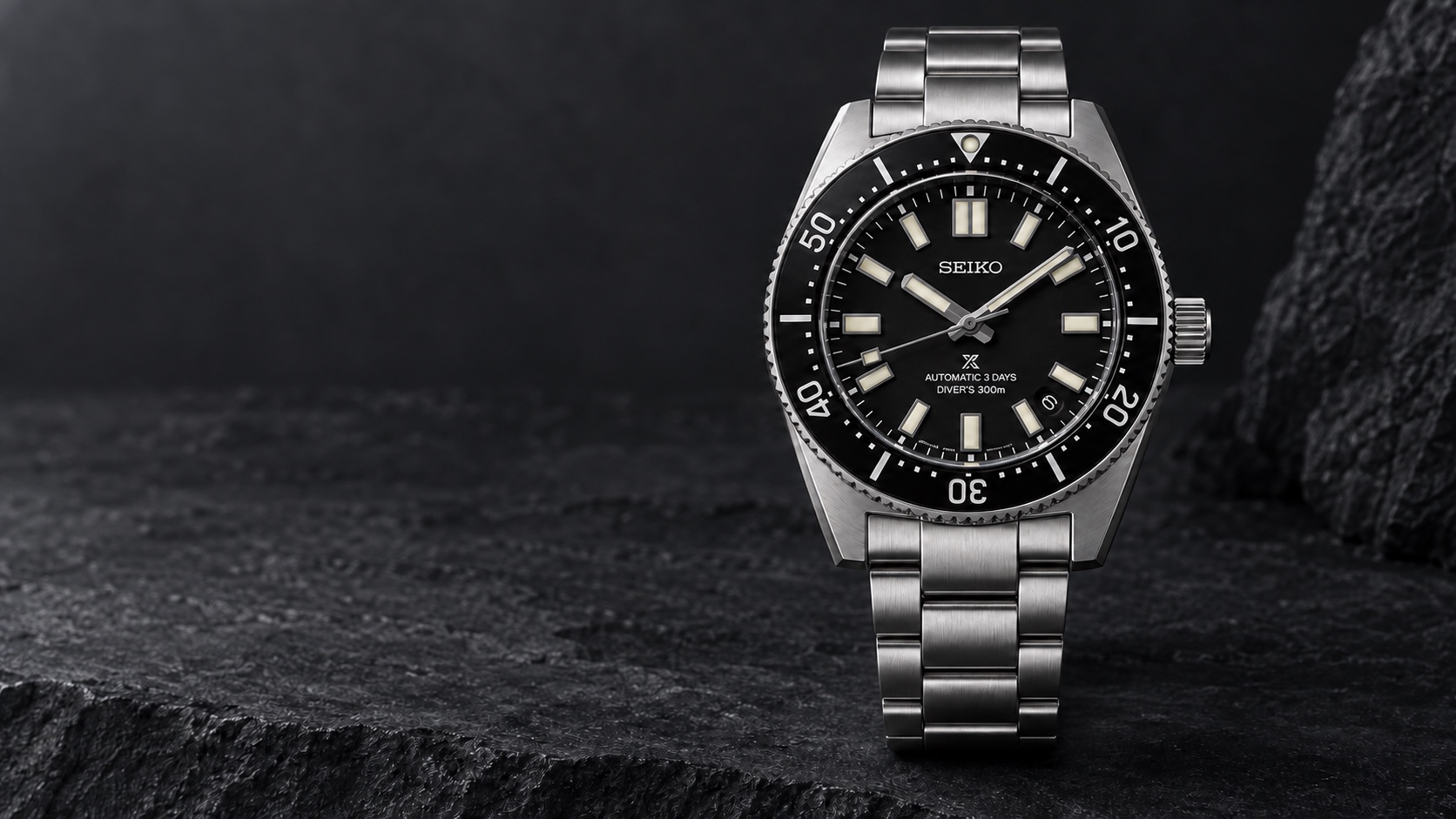
| Seiko SPB453J1 | 300 m diver | 6R55 automatic; sapphire; 72-hour reserve |
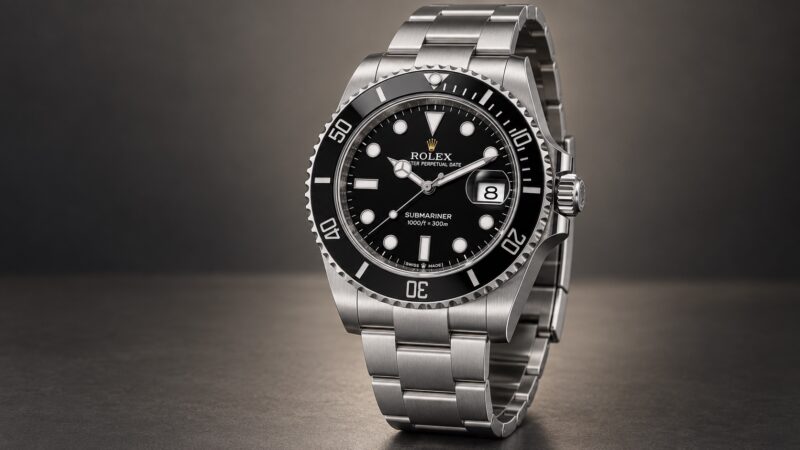
| Rolex Submariner Date 126610LN-0001 | 300 m | 3235 automatic; sapphire; approximately 70-hour reserve |
The Casio’s 200 m figure is a real specification, but it does not turn a general-use instruction into a scuba-diving approval. The Seiko is explicitly presented as a diver. The Rolex belongs to a purpose-built diving family. Describe each watch on its own published terms.
The table also shows how little the water rating says about the rest of ownership. Quartz and automatic movements appear together. Crystal materials and reserves differ. Choose the water capability your activities require, then compare the remaining features that matter to you.
How the modern diver developed
Rolex introduced the Submariner in 1953 with a 100 m rating. The Date version followed in 1969. According to the company’s historical account, the Submariner Date reached 300 m in 1979, with the no-date Submariner reaching that rating in 1989.
Those dates are a reminder that a familiar name has covered changing specifications. A current 300 m Submariner does not establish the original rating of a much earlier example. Nor does an old specification establish the condition of seals today. For a vintage purchase, identity and present condition both matter before deciding how the watch will be used.
The crown and strap are part of the answer
A screw-down crown needs to be secured according to the maker’s instructions. It is a closure to operate correctly, not an invitation to adjust the time underwater. Check the rules for pushers separately, particularly on chronographs and digital watches.
The strap can also change the practical answer. A water-resistant case fitted with a leather strap is not the same complete proposition as the same case on an appropriate metal, rubber or resin option. Casio specifically advises avoiding direct water exposure for its fashionable leather bands.
When shopping for a holiday watch, therefore, include the supplied strap and its attachment in the decision. The dial’s rating should not distract from a configuration that is poorly suited to the activity you actually plan.
Condition matters after purchase
Water resistance is something to maintain. The maker’s care guidance, service history and any work involving the case need attention. After a battery replacement or repair, ask what water-resistance checks were carried out rather than assuming the original specification has been re-established.
For a second-hand watch with uncertain history, obtain an appropriate inspection before relying on it in water. A clean exterior is not evidence of the condition of internal seals. This is especially relevant when a listing emphasises a depth rating but provides no recent service information.
Choose around the activity you will do
For ordinary swimming, shortlist references the manufacturer approves for that use and choose the size, display and strap you prefer. For scuba diving, select a watch explicitly intended for the activity and follow its operating guidance alongside the rest of your diving equipment.
A larger printed number can be interesting engineering, but it does not automatically make a better everyday purchase. The most useful water-resistant watch is one whose stated purpose, current condition and configuration match the way you intend to wear it.
Based on manufacturer information. Specifications and sources checked on 8 September 2026.
Sources: Casio Canada MDV-106-1AV specifications; Casio Japan MDV-107 family development; Casio water-resistance use guidance; Seiko UK SPB453 specifications; Seiko 1965 Heritage Diver development; Seiko original 1965 diver specifications and history; Rolex 126610LN specifications; Rolex Submariner timeline; Rolex Submariner collection; Casio water-resistance activities and care; Casio distinction between 20bar and diving water resistance; Rolex Submariner water-resistance development; Rolex Submariner operating guide.
Image: AI-generated illustration. Fine details may differ from the watch.