Three watches can describe themselves as chronometers while referring to different testing programmes. That is not necessarily confusing marketing, but it does mean the word needs context. The useful questions are who carried out the checks, whether the movement or finished watch was tested, and which aspects of performance the programme covers.
A Tudor Pelagos 39, an Omega Seamaster Diver 300M and a Rolex Submariner Date make those distinctions concrete. Each is a mechanical sports watch, yet the certification wording on its specification sheet deserves to be read separately.
Start with the movement and the assembled watch
Traditional mechanical chronometer certification under ISO 3159 concerns the movement. The familiar average daily rate range for the movements discussed here is minus four to plus six seconds. It is one part of a defined testing process, not simply a retailer checking the watch against a phone for a few minutes.
The Swiss watch industry’s account of COSC describes fifteen days of testing in five positions and at three temperatures. That gives the certificate a meaningful basis: the movement has been measured under controlled variations instead of being assessed in one convenient position.
Finished-watch programmes add a different stage. Once the movement is installed in its case, the complete watch can be evaluated as an assembled product. This distinction explains why a manufacturer’s further checks can coexist with an earlier independent movement certificate.
The labels on three actual references
| Watch | Movement | Published certification context |
|---|---|---|
| Tudor Pelagos 39 M25407N-0001 | MT5400; approximately 70 hours | COSC-certified movement |
| Omega Diver 300M 210.30.42.20.06.002 | 8806; 55 hours | Master Chronometer |
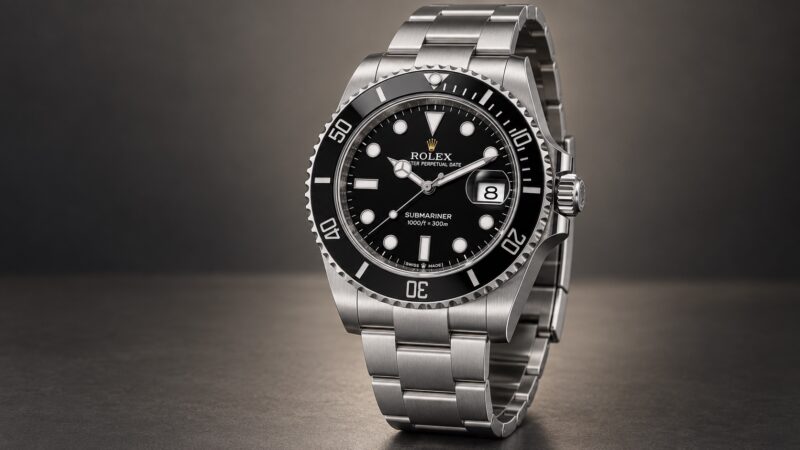
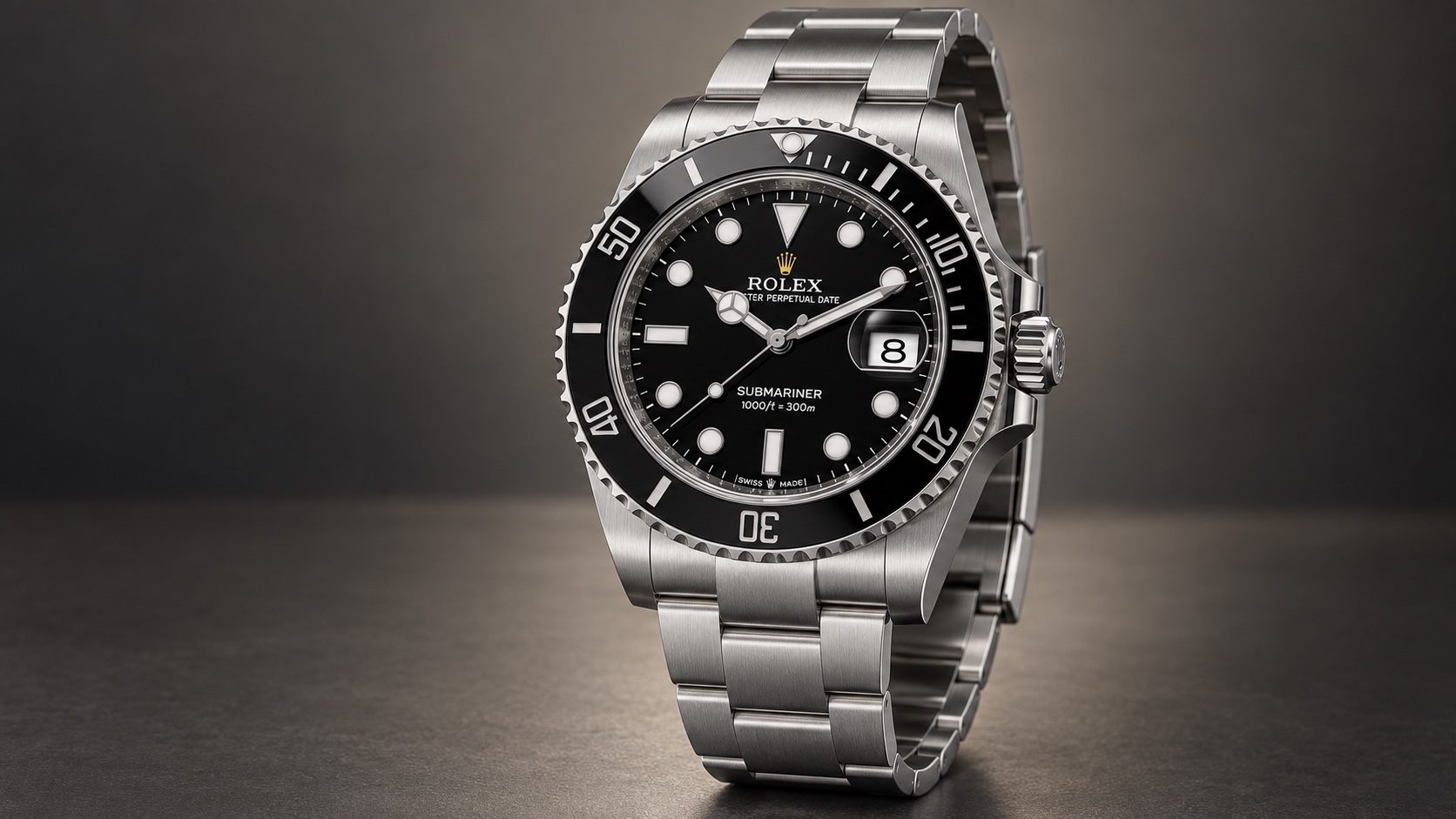
| Rolex Submariner Date 126610LN-0001 | 3235; approximately 70 hours | Superlative Chronometer; minus 2 to plus 2 seconds/day after casing |
The Pelagos 39’s COSC statement should not be replaced with Master Chronometer merely because another Tudor reference carries that designation. Certification belongs to the specified watch and movement. Brand-wide shortcuts can turn an accurate feature into an inaccurate claim.
What Master Chronometer adds
METAS describes Master Chronometer as a programme for finished Swiss-made mechanical watches whose movements first meet chronometer requirements. Its scope includes rate performance under influences such as position, temperature, magnetisation and remaining reserve, together with validation of reserve and water resistance.
The published rate range is zero to plus five seconds per day under the programme’s conditions. The requirements also address resistance to magnetic fields of 15,000 gauss. That is a broader performance picture than reading a single daily-rate number in isolation.
The Omega example applies that certification to a no-date automatic diver with a 55-hour reserve. The certificate is useful evidence about its testing, while the no-date display, mesh bracelet and brushed steel dial remain separate reasons a buyer might prefer this particular reference.
How Rolex uses Superlative Chronometer
Rolex tests the finished watch after the movement’s official chronometer certification. Its stated precision criterion is minus two to plus two seconds per day after casing. Its programme also covers other attributes of the assembled watch, including reserve, water resistance and automatic winding.
The terminology has a history. Rolex reinforced its Superlative Chronometer criteria in 2015. In 2026, the company announced further criteria relating to magnetism, reliability and sustainability across design and manufacture. A vintage dial carrying familiar words should therefore not be assumed to represent every current testing requirement.
Certification is still developing
COSC was established in 1973 by the Swiss watch industry federation and five watchmaking cantons. The institution’s purpose was a shared framework for independently checking chronometric performance, rather than leaving every claim to an individual manufacturer’s vocabulary.
In March 2026, the federation reported an additional COSC level called Excellence Chronometer Certified, with finished-watch checks following movement certification. That announcement targeted a full process from October 2026. As of this article’s September research date, it is an announced development, not a label to apply retrospectively to every COSC-certified watch.
What this means when choosing a watch
Use certification to understand the evidence behind a timekeeping claim. Then compare the exact watches’ dimensions, displays and practical functions. A stricter rate figure does not tell you whether you will enjoy a mesh bracelet, prefer a date window or want a longer reserve between wears.
For a used watch, a certificate documents the original testing context. Ask about present running behaviour and service history as well. The existence of an original certificate does not substitute for assessing the current condition of an individual example.
Finally, keep chronometer and chronograph separate. The former concerns tested timekeeping performance; the latter is an elapsed-time function. A watch may have either, both or neither. Knowing which question each term answers makes a specification sheet considerably easier to read.
Based on manufacturer information. Specifications and sources checked on 8 September 2026.
Sources: Pelagos 39 specifications; Pelagos 39 design and movement; Tudor Pelagos 39 history and press dossier; Omega steel-dial Diver specifications; Omega detailed measurements; Omega 2024 Diver launch; Rolex 126610LN specifications; Rolex Submariner timeline; Rolex Submariner collection; Swiss watch industry: COSC history and testing; METAS Master Chronometer requirements; Rolex movement and finished-watch precision checks; Rolex 2026 certification development; Swiss watch industry: announced COSC Excellence programme.
Image: AI-generated editorial illustration of the Rolex Submariner Date 126610LN-0001. Fine dial details and finishing may differ from the production watch.