A clear black dial and a matt-looking case can make a field watch appealing before you read a single specification. The more useful buying question comes next: do you want to wind it, wear it to maintain a reserve, or expose it to light? These three watches turn that choice into three different outdoor routines.
The Hamilton Khaki Field Mechanical H69439931 is the manually wound option on fabric. The Tudor Ranger M79950-0001 is an automatic on a steel bracelet. The Timex Field Post Solar TW2V00200 brings light-powered quartz to a smaller case. None needs a rotating diving bezel to make sense as a practical daily watch.
Compare the equipment you will actually wear
| Exact reference | Case diameter and height | Power | Water rating | Supplied attachment |
|---|---|---|---|---|
| Hamilton H69439931 | 38 × 9.5mm | H-50 manual; up to 80h | 5 bar | Textile NATO-style; 20mm |
| Tudor Ranger M79950-0001 | 39 × 12mm | MT5402 automatic; about 70h | 100m | Steel bracelet with T-fit; 20mm |
| Timex TW2V00200 | 36 × 12mm | Solar quartz; up to 4 months | 100m | Brown Ecco DriTan leather; 18mm |
All three use sapphire crystals, but the straps and movements change the practical brief considerably. The Timex reserve is the exact product page’s figure at full charge, rather than the different solar example in its linked general manual.
Field styling is not proof of military issue
The Ranger offers a useful historical example. Tudor introduced the 39mm version in 2022 to mark the seventieth anniversary of the British North Greenland Expedition. The expedition’s actual Tudor watches were Oyster Prince reference 7808s, not Rangers. The modern model combines that association with design cues developed elsewhere in Tudor’s history. Timex likewise describes military-inspired proportions for the Field Post without claiming this exact solar watch was issued to a military force. Those connections explain the aesthetic; today’s dimensions and construction should still decide the purchase.
Choose the Hamilton if winding is welcome
The H-50 offers up to 80 hours, but simply wearing the watch does not replenish it. You wind the crown deliberately. That can be an enjoyable small routine when getting dressed, provided it is something you want rather than a chore you hope to forget.
The Hamilton is the thinnest bare case here at 9.5mm. Its published 47mm lug span deserves attention alongside the 38mm diameter, and the supplied fabric passes beneath the case. Try that complete arrangement if you expect the watch to sit close to the wrist. The long lugs will remain long if you later change straps.
The absence of a date makes restarting straightforward. For walks and ordinary dry daily wear, the clear three-hand display can be enough. The 5-bar rating is still its actual water specification; the word field should not be used to assume a different one.
Choose the Ranger for a bracelet-based daily watch
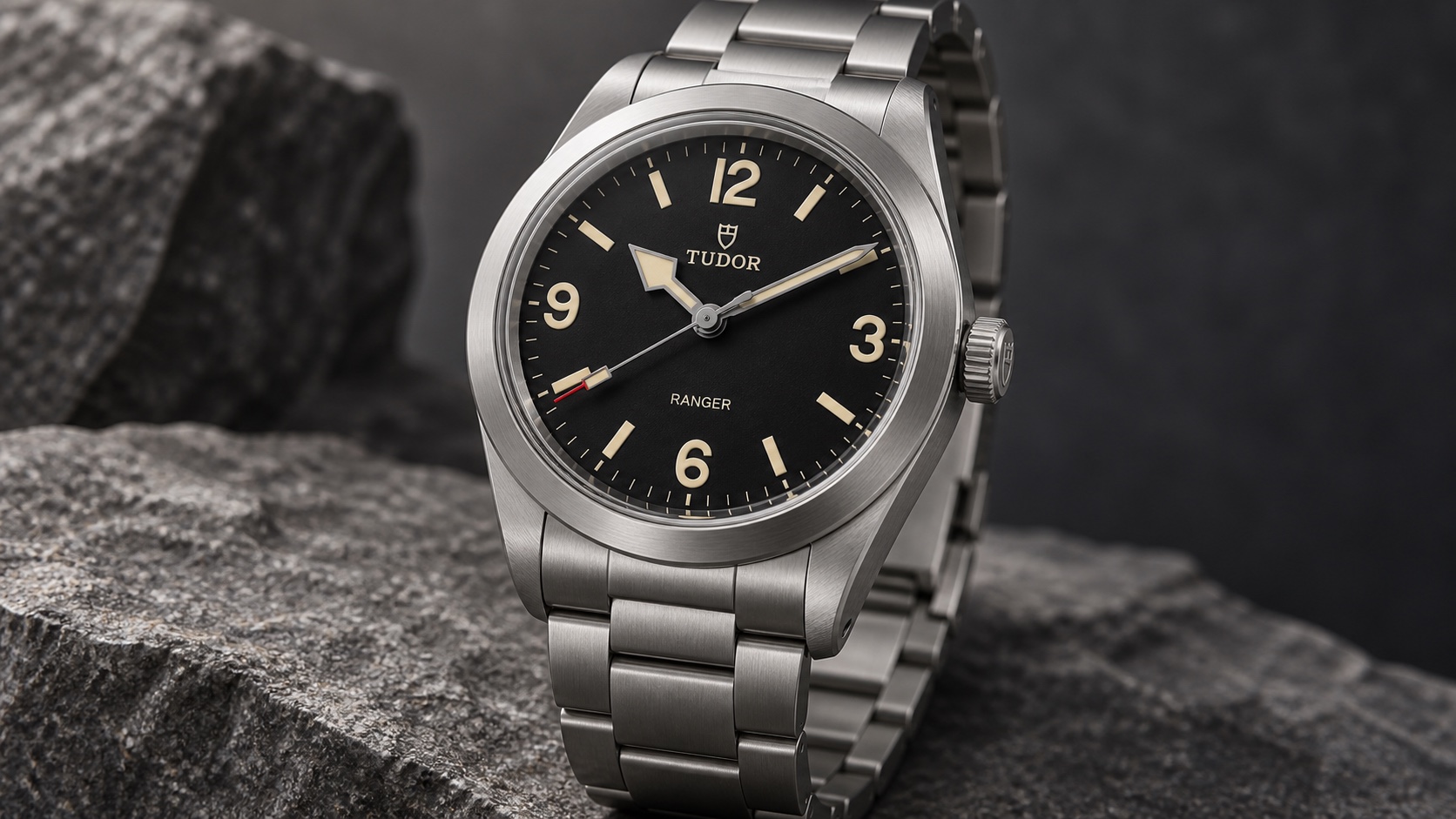
The 39mm Ranger combines satin steel, a domed black dial and an MT5402 automatic movement. Its roughly 70-hour reserve gives useful flexibility when adequately wound. The numerals and arrow-shaped hour hand supply its recognisable character without adding another operating mode.
The three-link bracelet and T-fit clasp are central to this version. They offer a different experience from a fabric field strap, particularly when your outdoor time is mixed with desk work. Check the clasp position with your hand resting naturally and use the adjustment system after the basic link count is correct.
At 12mm thick, it is more substantial vertically than the Hamilton case. The choice should be driven by whether you prefer the complete automatic bracelet watch, rather than treating it as the same object with a more prestigious dial name.
Choose the Timex for solar convenience
The Field Post measures 36mm across, with a 12mm height and published weight of 51.39g. It combines sapphire, a screw-down crown and back, and 100m water resistance. Its official UK listing was £160 on 8 September 2026, against £545 for this Hamilton; no comparable GBP quote is used here for the Tudor.
Light-powered operation suits someone who wants a watch ready for a walk without thinking about winding. Keep it somewhere with suitable light and avoid excessive heat while charging. The brown leather gives this reference a dressier aspect, but should be considered separately from the case’s water rating if repeated soaking is likely.
Let the outing define the final checks
Assess the time display in normal light and check the crown or buttons with your own fingers. Do not assume that luminous paint proves a particular duration of night readability. That would require an actual test under stated conditions, rather than a product photograph.
Choose the Hamilton for the winding ritual and fabric presentation, the Ranger for its automatic bracelet package, or the Timex for a small solar field watch. The best outdoor choice is the one whose controls, power and attachment suit the way you leave the house.
Based on manufacturer information. Specifications checked on 8 September 2026.
Sources: Hamilton UK: Khaki Field Mechanical H69439931; Hamilton general instruction manual including H-50; Ranger 39 specifications; Ranger history and design; Tudor expedition anniversary; Timex UK TW2V00200 specifications and price; Timex Field Post design and March 2024 NN.07 collaboration; Timex solar operation and Field Solar explanation; Timex linked general analogue and solar user guide.
Image: AI-generated editorial illustration of the Tudor Ranger 39 reference M79950-0001. Fine dial details, hand shapes and finishing may differ from the production watch.


